



Production and sale of grain cleaning equipment worldwide
The Harvest Paradox: When Abundance Becomes a Crisis
2 October 2025





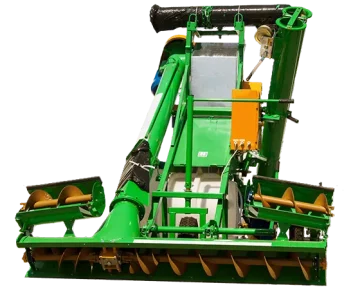

American corn farmers stand at the centre of a financial paradox that defies economic logic. These are people who feed the nation and power local economies across rural America. They provide the country with essential food security and contribute billions in economic activity.
Those farmers are staring down a financial collapse; without swift action from Congress and the White House, many of them can lose family farms that have lasted for generations.
When Success Brings Disaster

The Department of Agriculture’s latest projections reveal a harvest of unprecedented proportions: this year’s corn production will eclipse all previous records by 1.4 billion bushels, representing a staggering 12.6% increase over current levels. This agricultural achievement masks a brewing economic catastrophe.
Agriculture naturally cycles between profitable and challenging seasons. Smart farmers typically save money during good years to survive the inevitable downturns. However, corn producers haven’t had this luxury. They’ve endured three consecutive difficult years that have drained their financial reserves.
The USDA’s production cost analysis reveals the severity of the current situation. With corn selling at the projected $3.90 per bushel while costing more to produce, farmers lose roughly $0.85 on every bushel they harvest. When multiplied across this year’s expected record harvest of 16.7 billion bushels, the total industry losses reach a staggering $14.2 billion.
Washington has several ways to support corn growers, but two steps would make a difference right away.
- First, Congress should authorize year-round, nationwide sales of higher-ethanol blends.
- Second, the administration must move quickly to negotiate trade deals that will create new, large-scale export markets for American corn.
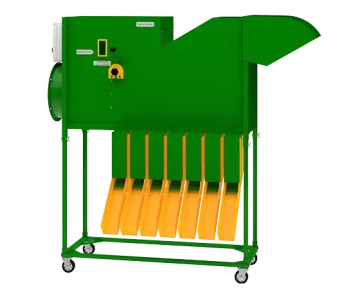
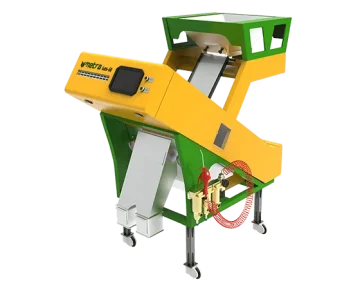
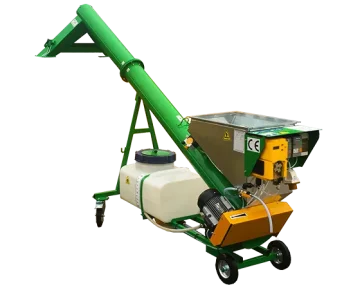
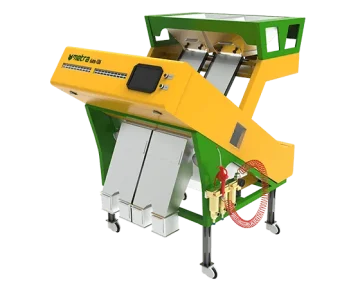
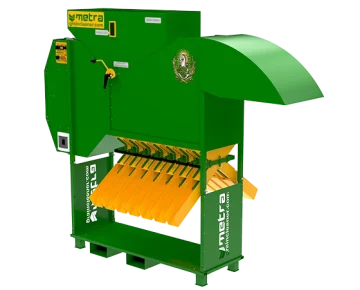
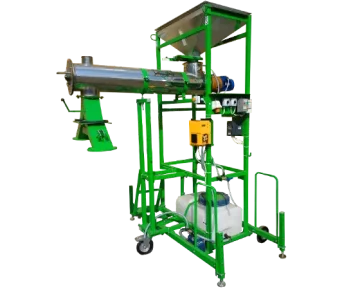
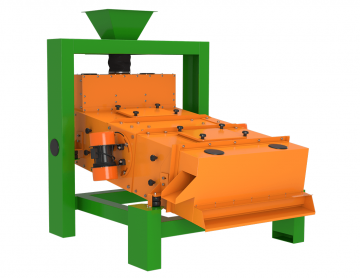
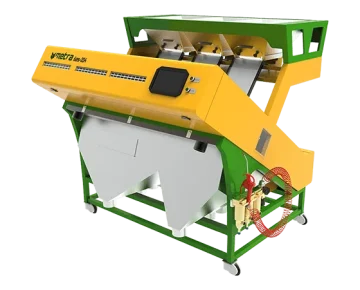
While farmers wait for action from Washington, some operations have found ways to improve their financial situation through grain cleaning equipment. MetraGrain Cleaners and similar companies manufacture systems that remove contaminants like aflatoxin, vomitoxin, ergot, mold, and weeds from harvested corn.
These cleaning systems can turn lower-quality grains into something farmers can actually sell. Clean grain brings in considerably more money than contaminated grain, and the cleaning process also stops storage problems that cause additional losses down the line. Farmers dealing with contaminated harvests often find this equipment pays for itself relatively quickly.
The equipment operates independently of political timelines and provides immediate value improvement for each harvest. While this approach cannot solve the broader crisis alone, it is something farmers can do today instead of waiting for Washington to solve more significant problems.
Making Ethanol Work Better for Everyone

Ethanol sales represent the economic backbone for corn producers across America. This renewable fuel serves multiple purposes:
- It reduces costs for consumers at gas stations.
- It cuts greenhouse gas emissions.
- It decreases our reliance on foreign oil imports.
Yet corn industry advocates have battled for years against an outdated regulation. E15 (fuel containing 15% ethanol) is unavailable in summer due to the restriction, even as driving reaches its annual peak.
Current legislation offers a straightforward solution. The National Corn Growers Association has called on the Trump administration to accelerate negotiations and close out pending trade agreements. Corn exports bring in billions for farmers and help keep rural economies strong, but the U.S. has fallen behind on new trade deals over the past few decades. Should lawmakers advance this measure and secure presidential approval, corn demand would increase substantially and immediately.
The approach delivers remarkable efficiency. It requires no consumer expenses, operates within current infrastructure systems, and would drive demand for 457 million additional bushels of corn.
Breaking Into International Markets

The National Corn Growers Association is urging the Trump administration to speed up trade talks with key partners and wrap up unfinished deals. U.S. corn exports pump billions into farm revenue and sustain rural communities and the wider economy.
Yet America has lagged in striking new trade agreements in recent decades. While successes like the USMCA and China Phase One deal created opportunities, the United States hasn’t concluded a comprehensive trade pact with any major economy in more than ten years.
Yet, opening new markets would create massive demand for corn. India, Vietnam, and Kenya represent just a few high-value markets for U.S. corn growers where agreements could be reached. There’s no time to waste.
The president deserves credit for the deals already secured, and we urge rapid, comprehensive negotiations with other nations, including India, while finishing agreements now in progress. Corn growers are standing on the edge of a financial cliff. Should the actions outlined here fail to materialize quickly, we risk an economic earthquake with repercussions felt across the nation and potentially worldwide.
FAQ
Why are corn farmers losing money during a record harvest?
Farmers are producing more corn than ever, 16.7 bushels this year. With corn at $3.90 per bushel and production costs higher, farmers lose about $0.85 on each bushel they harvest. Multiply that across billions of bushels, and the industry faces $14.2 billion in losses. More supply without matching demand equals financial disaster.
What can Congress do to help corn farmers quickly?
Two things would make an immediate difference. First, pass legislation allowing year-round sales of E15 fuel (gasoline with 15% ethanol). An old rule currently blocks this during summer, which makes no sense. This change would create demand for 457 billion more bushels annually. Second, negotiate new trade deals with countries like India and Vietnam that could buy massive amounts of American corn.
Can farmers do anything while waiting for government action?
Yes. Grain cleaning equipment from Metra can remove contaminants like mold and aflatoxin from harvested corn. Clean grain sells for considerably more than contaminated grain, and the cleaning prevents storage problems. The equipment pays for itself quickly since the price difference between clean and dirty grain is substantial.