



Production and sale of grain cleaning equipment worldwide
Farm Roundup | September 1-15, 2025
15 September 2025
Similar Equipment
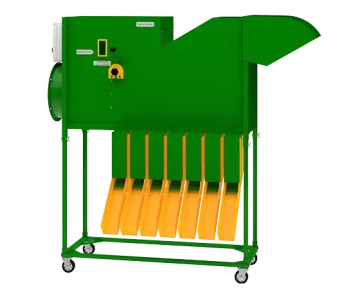
ADS-200e
Learn more
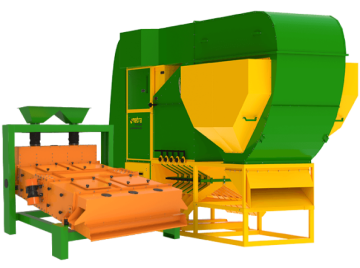
Set Pro - VDSC+ADS
Learn more
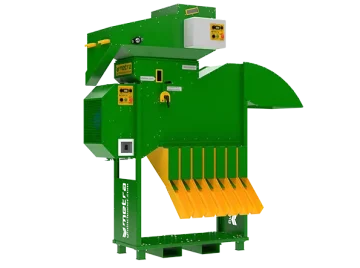
Set - SGC+ADS
Learn more

SGC-400-H
Learn more

SGC-400
Learn more
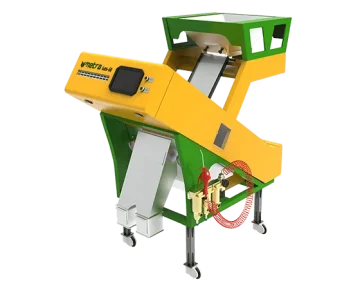
6AS-68
Learn more

ADS-200
Learn more
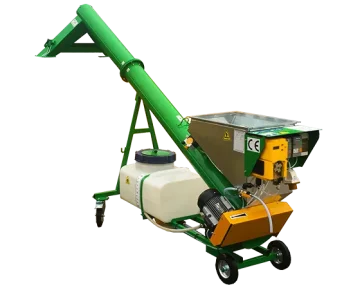
STM-120
Learn more

ADS-200-CDC
Learn more

GPC-400
Learn more

6AS-68L Belt
Learn more
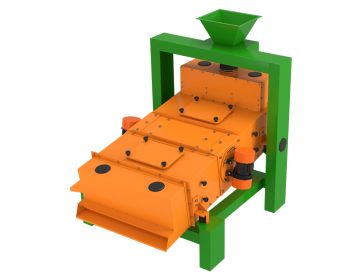
VDSC-400
Learn more
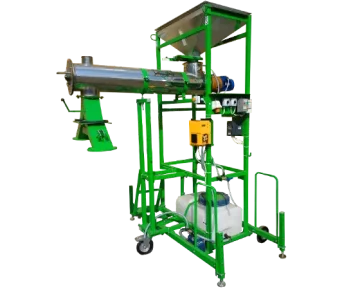
STM-200
Learn more

GPC-2000
Learn more

ADS-400GM-CDC
Learn more
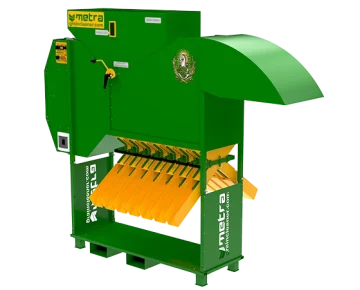
ADS-400
Learn more
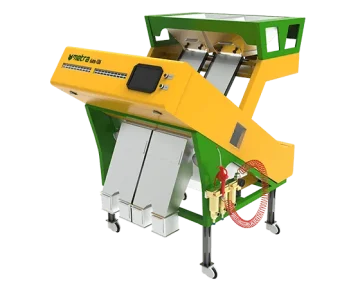
6AS-136
Learn more

ADS-600
Learn more

Hi! Here is the ag news not to be missed from the last two weeks. Short, sharp, and straight. Ignore endless scrolling through articles and keep control with timely decision-making by reading the digest.
US misses out on billions of dollars of China soybean sales midway through peak season
South America covers 95% of China’s October soybean demand, leaving US exporters at risk of losing 14–16 million tons in sales. USDA is expected to cut its 2025/26 soybean export forecast from the current 46.4 million tons amid stalled trade talks.
Why read this: Market shifts toward South American supply could push US soybean futures lower and directly affect American farmers’ profitability.
USDA projects record US corn crop, biggest harvested acres since 1933
USDA raised 2025 corn production to a record 16.814 billion bushels, with average yields at 186.7 bushels per acre and the most harvested acres since 1933. End-of-season stocks were pegged at 2.11 billion bushels, while soybean output rose to 4.301 billion bushels amid weak exports to China.
Why read this: Record supply pressures corn prices lower, boosting feed users but straining grain farmers already facing shrinking crop receipts and high input costs.
Corn Diseases Lurk in Bumper U.S. Crop, Threatening Yields
USDA forecasted corn yields at 188.8 bushels per acre, but analysts now see closer to 186.2 due to disease pressure from southern rust and tar spot. Southern rust appeared in Iowa by mid-July, early enough to cut yields by as much as 45% in heavily affected fields.
Why read this: Early disease outbreaks mean farmers must act fast with fungicides or risk major yield and income losses.
Financial Stress on Crop Farms: Who Is Most at Risk in the 2024–26 Downturn?
In 2024, average operating profit on farms dropped to 1.8% (down from over 25%), and 55% of farms reported negative earnings. Operations with managers under 10 years of experience and debt-to-asset ratios above 60%—about 10% of all farms—are especially vulnerable.
Why read this: Without cutting debt or boosting margins, many farms may be forced to sell land or equipment, or exit the business in the coming years.
What does a Fed rate cut mean for farmers?
https://www.farmprogress.com/farm-business/what-does-a-fed-rate-cut-mean-for-farmers-
The Fed’s target rate is now 4.25%–4.5%, with futures markets pricing in cuts to about 3% by the end of 2026. Lower short-term rates could reduce costs for CCC loans, operating credit, and 2025 crop storage, but long-term borrowing for land and equipment may rise as 30-year Treasury yields near 5%.
Why read this: Cheaper short-term credit may help with harvest and storage, but higher long-term rates could squeeze land and machinery financing, leaving farmers with a mixed outlook.
American farmer demands right to repair own equipment amid soaring costs: ‘Money is tight’
Farmers face up to $3 billion in annual losses from tractor downtime and $1.2 billion in extra repair costs, with service appointments reaching $1,000 each. The Agricultural Right to Repair Act and FTC lawsuit against Deere aim to expand access to diagnostic tools, while John Deere now offers a $195-per-machine subscription for self-repair.
Why read this: Repair rules decide if farmers keep paying thousands to dealers or finally cut costs by fixing their own machines.
Farm Groups Appeal for Congress to Pass Farm Bill 2.0
https://www.agriculture.com/partners-farm-groups-appeal-for-congress-to-pass-farm-bill-2-0-11808645
More than 260 national and state farm organizations plus Farm Credit institutions urged Congress to pass a new Farm Bill (Farm Bill 2.0) to reauthorize programs not covered in the July budget law. Key issues include renewal of the Conservation Reserve Program, rural broadband, direct and guaranteed USDA loans, and a trigger for permanent price-support rules if commodity programs lapse after 2031.
Why read this: Without Farm Bill 2.0, farmers risk losing vital supports and seeing program gaps that could hike costs or reduce access to credit and markets.
USDA Sends $221M to Help North Carolina Farmers Rebuild After Helene
USDA is providing $221.2 million in disaster assistance for North Carolina farmers through a block grant to cover infrastructure, market losses, timber, and future-year revenue losses following Hurricane Helene. The grant comes from the $30 billion disaster relief fund authorized in the American Relief Act of 2025 and aims to fill gaps not addressed by state or other federal disaster programs.
Why read this: For farmers recovering from storm damage, this means there is real federal money available—you may qualify for aid to cover losses and rebuild, so you need to know if part of this applies to you.
Grocery costs jump in August on beef, produce prices
https://www.agri-pulse.com/articles/23449-grocery-costs-jump-in-august-on-beef-produce-prices
The food-at-home CPI rose 0.6% in August—the biggest monthly jump of 2025—with fruits and vegetables up 1.6% and beef up 2.7%. Year-over-year, beef and veal prices surged 13.9%, eggs climbed 10.9%, and coffee soared 20.9%.
Why read this: Rising grocery inflation highlights cost pressures from tariffs and inputs — trends that can reshape consumer demand for meat, produce, and farm products.
Ag Groups Voice Cautious Support for MAHA Commission’s New Health Strategy
https://www.agriculture.com/ag-groups-voice-cautious-support-for-maha-strategy-11806877
The MAHA commission’s strategy stops short of changing agrochemical approval or regulatory processes, instead pushing for EPA to build public confidence and speed up existing review procedures. Groups like American Soybean Association, Corn Growers Association, and others express “cautious optimism” but warn that misinformed rhetoric about products like soybean oil and unnecessary regulation could harm profitability and market access.
Why read this: The strategy could influence future regulation and public perception — if farmers lose access to key crop protection tools or face new limits, it will hit costs, yields, and what they can grow.
Trump’s Opposition to Solar Likely Won’t Stop Sector’s Growth
The Trump administration ended tax credits for solar over the next three years and cut USDA support, making ground-mount farm projects ineligible for loans and grants until August 2026. Still, industry leaders say rising electricity demand will keep solar expansion moving forward despite lost subsidies.
Why read this: Policy shifts may limit federal aid, but strong demand means solar remains a real income option for farmers weighing energy projects on their land.
USDA to Invest Up to $18 Million in Farm to School Grants
USDA will award up to $18 million in Farm to School Grants for fiscal year 2026 — the largest single-year total since the program began in 2013. Grants will range from $100,000 to $500,000 per applicant for projects integrating locally produced foods into school meals, expanding food education, and improving procurement and food safety.
Why read this: If you run a small or mid-sized farm near schools, this is a chance to earn grants for supplying local food and improving market access with relatively low entry cost.
How to Stack Sustainable Soybean Practices
https://www.farmprogress.com/soybean/how-to-stack-sustainable-soybean-practices
Research shows stacking multiple conservation methods can sharply reduce sediment and nutrient losses in soybean fields. Practices like reduced tillage, cover crops such as cereal rye, prairie strips, bioreactors, and saturated buffers improve soil health and protect water quality.
Why read this: Combining in-field and edge-of-field conservation practices can cut erosion, hold nutrients, and boost long-term productivity on soybean acres.
Thanks for reading! We’ll be back with more insights and updates in the next issue. Until then—stay sharp, stay ahead.