


Production and sale of grain cleaning equipment worldwide
Farm Roundup | August 1-15, 2025
15 August 2025
Similar Equipment
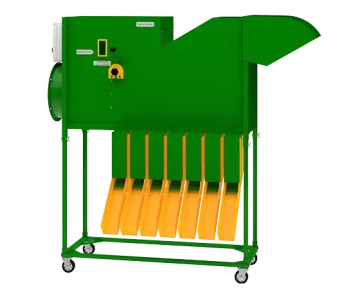
ADS-200e
Learn more
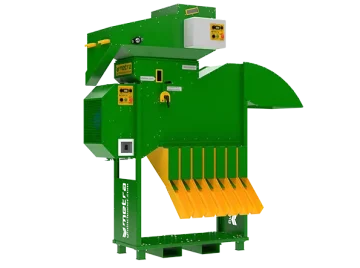
Set - SGC+ADS
Learn more

SGC-400-H
Learn more
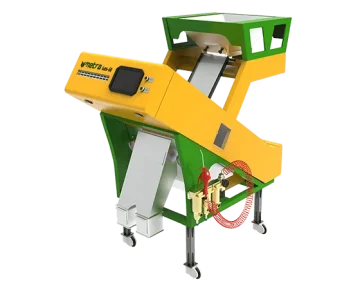
6AS-68
Learn more
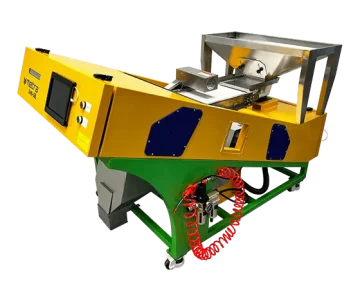
6AS-68L Belt
Learn more

ADS-200
Learn more

ADS-200-CDC
Learn more

GPC-400
Learn more

SGC-400
Learn more
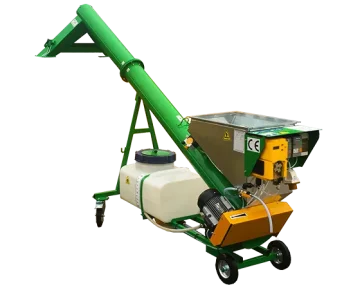
STM-120
Learn more
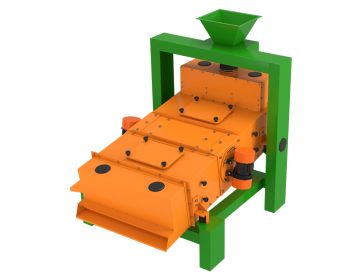
VDSC-400
Learn more
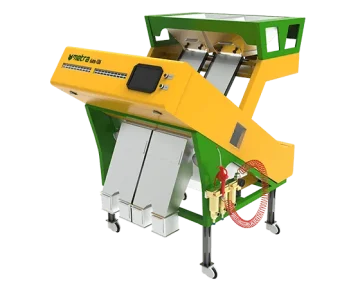
6AS-136
Learn more
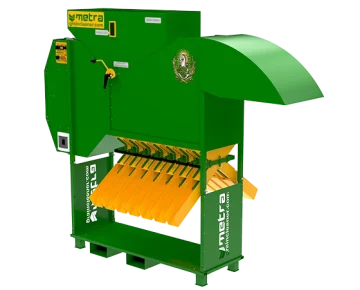
ADS-400
Learn more

ADS-400-CDC
Learn more

ADS-400GM-CDC
Learn more

GPC-2000
Learn more
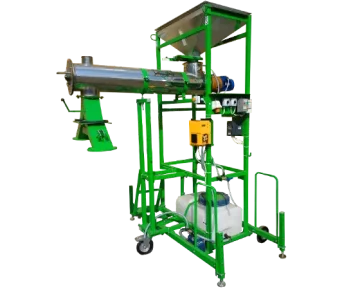
STM-200
Learn more
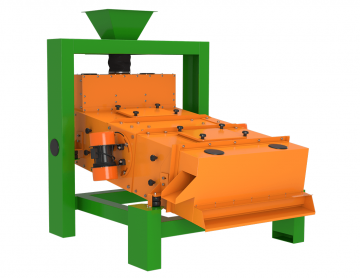
VDSC-800
Learn more

Hi! Here is the ag news not to be missed from the last two weeks. Short, sharp, and straight. Ignore endless scrolling through articles and keep control with timely decision-making by reading the digest.
U.S. Soybean Prices Jump After Trump Urges China to Quadruple Orders
https://www.agriculture.com/partners-trump-urges-china-to-quadruple-soybean-orders-11788313
U.S. soybean prices rose 2.4%—to $10.11 per bushel—after Donald Trump urged China to buy four times more American soybeans and extended the tariff truce for another 90 days. Last year, China imported 22 million tons of soybeans from the U.S. and over 74 million tons from Brazil.
Experts say China is unlikely to boost purchases that sharply, given its large soymeal reserves and preference for cheaper South American suppliers.
Why read this: China’s decision will directly affect export prices and U.S. farmers’ incomes.
What Farmers Need to Know about Adjusting to Population Decline
https://www.agriculture.com/what-farmers-need-to-know-about-adjusting-to-population-decline-11790205
Terrain experts predict that the global population will grow until around 2065–2070, then start to decline. This means farmers will need to rely less on selling large amounts of grain abroad and focus more on processing crops into value-added products for domestic and global markets. Corn already has an advantage with biofuels and other new products. Soybeans need more domestic processing to create products ranging from plastics to biomaterials. It’s also important to find reliable buyers in countries where demand is still growing and to show that crops are grown sustainably.
Why read this: You’ll see how global population changes could impact corn and soybean markets and where farmers should focus their efforts now.
Which States Won and Lost in the Latest USDA Crop Progress Report?
As of August 10, the best corn conditions are in Iowa (86% rated good/excellent), Wisconsin (81%), and Pennsylvania (80%). The weakest are Michigan (51%), Ohio (55%), and Tennessee (59%).
For soybeans, Louisiana leads (92% good/excellent), followed by Iowa and Wisconsin (both at 81%). The lowest ratings are in Michigan (53%), Illinois (57%), and Tennessee (55%).
Why read this: You can quickly see where crops are in the best shape and where yields may be at risk before harvest.
Lawmakers ‘In the Very Early Stage’ of Skinny Farm Bill Discussions
Congress is just beginning talks on a “skinny Farm Bill”—a shortened version of the farm bill. House Agriculture Committee Chair GT Thompson plans to release the text in September, but a tight schedule and disputes over $186 billion in SNAP cuts put bipartisan support in doubt. Some senators predict the bill won’t pass until 2026 at the earliest. Key topics include farm support programs, USDA loans, rural broadband, and industrial hemp regulations.
Why read this: To understand upcoming changes in farm support and rural investment programs that could impact your planning in the next few years.
USDA Forecasts Record Corn Crop
https://agwired.com/2025/08/12/usda-forecasts-record-corn-crop
USDA expects a record 2025 corn harvest—16.7 billion bushels, up 13% from last year—with an average yield of 188.8 bushels per acre. Soybeans will produce 4.29 billion bushels, down 2% from 2024, but with a record yield of 53.6 bushels per acre. Wheat is projected at 1.93 billion bushels (−2%) and cotton at 13.2 million bales (−8%).
Why read this: See which crops are hitting record yields in 2025 and how this could impact the market.
U.S. grains: Corn dives after USDA projects record harvest, soybeans rise
Corn futures fell to contract lows after USDA projected a record harvest of 16.742 billion bushels with a yield of 188.8 bushels per acre—thanks to 2.1 million acres unexpectedly switched from soybeans to corn. Soybean prices rose because USDA expects a smaller-than-expected harvest—4.292 billion bushels—despite a record yield of 53.6 bushels per acre.
Why read this: Changes in corn and soybean prices could impact feed costs, planting plans, and contract strategies for next season.
4 steps for grain farmers to finish strong
https://www.farmprogress.com/commentary/4-steps-for-grain-farmers-to-finish-strong
With low prices from a record harvest, it’s smart to lock in basis before harvest, sell part of the crop for cash flow, and buy call options to capture potential price increases. Use the cash to prepay for seed, fertilizer, and chemicals at discounts. History shows that sharp price spikes can happen after harvest—be ready.
Why read this: Learn how to prepare for possible price rebounds even in a weak market.
Corn harvest tips for 2025
https://www.farmprogress.com/corn/corn-harvest-tips-for-2025
Corn typically dries at about 0.6% per day, but in hot sunny weather the rate can climb to 0.8–0.9% when moisture is around 20%. Harvest before grain moisture drops below 15% to avoid weight loss and storage problems. Each dropped ear per 100 feet of row equals about 1 bushel lost per acre. Delaying harvest increases the risk of stalk lodging, insect damage, and mold that can cause aflatoxins. Careful planning and timely harvest help preserve both yield and quality.
Why read this: Learn how to avoid losses and maintain corn quality at harvest.
Proof positive: Weeds growing with corn cost money
Studies show that uncontrolled weeds can steal up to 80 pounds of nitrogen per acre from corn, reducing plant height and yields. Where weeds were removed before or early after emergence, corn was greener and healthier; where removal was delayed, plants turned yellow and were about 12 inches shorter. Once weeds are killed, nitrogen returns to the soil only after several weeks, so early losses still hurt yields. Pigweed is the most aggressive nitrogen thief. Bottom line—control weeds before they take nutrients.
Why read this: Learn how timely weed control preserves nitrogen and corn yield.
FSA marketing assistance loans offer cash flow flexibility
https://www.agweek.com/opinion/fsa-marketing-assistance-loans-offer-cash-flow-flexibility
Marketing Assistance Loans in 2025 are especially useful because harvest prices are often the lowest of the year. The program lets you borrow against corn, soybeans, wheat, and other crops right after harvest and repay within nine months. National loan rates for 2025 are: corn—$2.20/bushel, soy—$6.20, wheat—$3.38. The interest rate is around 5%—cheaper than commercial loans at 8–9%—allowing farmers to cover expenses and wait for better grain prices.
Why read this: Learn how to use a government loan in 2025 to avoid selling grain at post-harvest lows.
Chipotle and Sweetgreen bet big on small farmers amid agriculture crisis
Major U.S. brands Chipotle, Sweetgreen, and Chobani are expanding support for small farmers as farm numbers and acreage decline. Since 2019, Chipotle has invested over $5 million in grants, training, and multi-year contracts for young farmers, helped convert 425 acres to organic, and plans to open up to 345 new restaurants in 2025. Sweetgreen is opening 40 locations and entering new markets, giving small farms stable sales and income. Chobani plans to buy 3 billion pounds of milk from 430 family farms in 2025, aiming for 11 billion pounds by 2031, with investments in working conditions and infrastructure.
Why read this: See how big companies are helping small farms survive and grow during tough times for agriculture.
Corn and Soy Find Big New Roles in Everyday Products
https://www.agriculture.com/ag-innovations-11790427
- Soybeans and corn are now being actively used in new industries to create additional demand and reduce reliance on traditional feed and fuel markets. Examples include:
- OmegaSkin—soy-based implant for treating burns and wounds that integrates into the skin and promotes full healing.
- SoyFoam—firefighting foam free of harmful PFAS, already used by about 50 fire departments.
- Soybean oil in Goodyear tires and Skechers shoes, as well as in biodegradable DeWalt lubricants.
- Corn sugar for producing spandex, bio-based plastic (bio-MEG) for bottles and clothing, and VAM polymers for shoes, sports equipment, and coatings.
Experts note that these new uses for crops will help keep prices at profitable levels as traditional demand growth slows.
Why read this: You’ll learn how innovative soybean- and corn-based products can create new markets and support farmers’ incomes.
How will new EPA greenhouse gas regulations impact farm equipment?
EPA proposes removing greenhouse gas rules for engines, potentially eliminating Tier 4 after-treatment requirements. This could cut the cost of new equipment by tens of thousands of dollars, lower repair bills, and keep older Tier 3 tractors valuable. Supporters say this will help U.S. farmers stay competitive globally.
Why read this: Learn how changes could lower farm equipment costs and maintenance.
Tractor makers warn Trump’s tariffs will hike machinery prices for farmers worldwide
New tariffs on steel and aluminum are pushing equipment makers like AGCO (Fendt) and CNH (Case IH, New Holland) to raise prices for tractors, combines, and other machines. AGCO has already built in about a 1% increase for 2025, and CNH announced price hikes for 2026 models. This will impact farmers in the U.S. and abroad.
Why read this: Learn how tariffs could raise equipment costs and affect your budget.
10 tips to stay H-2A audit-ready
https://www.farmprogress.com/farm-operations/10-tips-to-stay-h-2a-audit-ready
To avoid problems during H-2A audits, document every step. Keep current forms (I-9, 790, 9142, I-129) and signed copies from workers, give written orders in English and the workers’ language, check that no prohibited fees were charged, and issue “contract complete” letters when work ends. Have workers sign for paychecks, time off, and departures, itemize travel expenses, assist with paperwork, update housing before inspections, and keep all copies and signatures. Attention to detail now saves time and trouble later.
Why read this: Learn how solid documentation and attention to details can help you pass H-2A audits smoothly.
3 ways the ‘Big, Beautiful Bill’ will affect farmland valuation
The new OBBBA law raised the federal estate and gift tax exemption to $15 million per person and removed the planned reduction in 2026. It restored 100% bonus depreciation for purchases after Jan. 19, 2025, and increased the Section 179 deduction limit to $2.5 million. This gives farmers more opportunities to pass land and equipment to the next generation with less tax. The law passed along party lines, so rules could change—but for now, they encourage active land and asset valuation.
Why read this: Learn how these changes can save taxes and help plan farm succession.
USDA Moves to End Employee Union Contracts, Documents Show
The USDA is ending union contracts for thousands of plant, animal, and food inspection workers, citing a Donald Trump order that removes some federal employees from collective bargaining rights. The change affects about 6,500 FSIS inspectors, 1,500 APHIS workers, and 150 others in another union. Unions have filed lawsuits, saying their work has no link to national security.
Why read this: Learn how USDA staffing changes may affect food safety inspections and crop oversight.
Thanks for reading! We’ll be back with more insights and updates in the next issue. Until then—stay sharp, stay ahead.