Production and sale of grain cleaning equipment worldwide
Corn and Soybean Samples: Decide What Needs Cleaning
24 September 2026
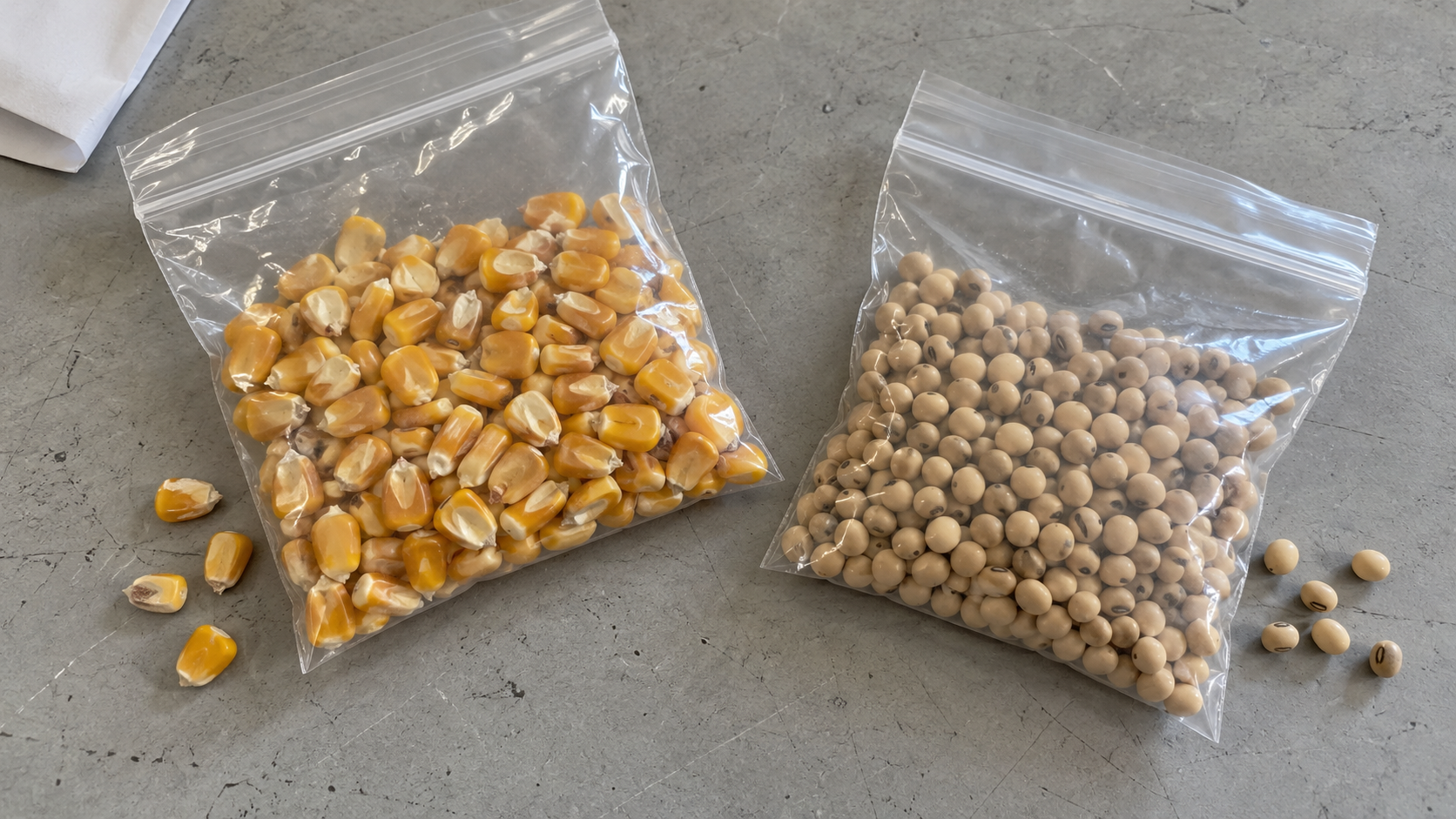
Corn and soybean cleaning starts with a representative sample and the buyer's description of the problem. Broken corn and foreign material, soybean foreign material, soybean splits and grain damage are distinct grading factors. Reading them correctly helps you choose a cleaning process and check whether it improved the part of the lot that matters.
The USDA Crop Progress report released September 21, 2026 put corn harvest at 13% and soybean harvest at 12% through September 20 in the reporting states, ahead of their respective five-year averages of 11% and 8%. That is a reason to prepare for new loads. Harvest progress does not tell you the foreign-material content or grade of your own grain. USDA NASS Crop Progress
Keep the sample connected to the load
A handful from the top of a truck can miss material elsewhere in the load. USDA's Federal Grain Inspection Service identifies representative sampling as essential to an accurate inspection result. Use the buyer's or testing service's sampling procedure, with a device and collection method appropriate to the load. FGIS Quick Facts for Producers
Record the crop, field or lot, harvest date, storage location and sample date. Keep loads with materially different conditions identifiable until you have the information needed to decide how to handle them. An assessment of one lot should not quietly become the assumed condition of the next.
Retain fines during sample transfer and protect the sample from changes that affect the test. If you send material for a cleaning demonstration, reserve an untreated portion from the same representative sample. The comparison is much more useful when both portions actually represent the same grain.
Read a corn result as a corn result
BCFM means broken corn and foreign material. Under the FGIS definition, it includes material passing the specified 12/64-inch sieve, plus material other than corn left in the sieved sample. That definition describes a grading measurement. It is not a universal screen recommendation for your grain cleaner. FGIS corn BCFM definition
Ask for moisture, test weight and relevant damage results as well. A BCFM percentage does not explain all of them. For a practical cleaning assessment, identify what the fraction contains: broken corn, cob pieces, stalk material, dust or other matter. Those materials can call for different settings or separation stages.
A buyer's deduction also needs to be read on its own terms. Obtain the current schedule and ask how it affects payable quantity, price or both. The cleaner trial must address the factor behind that deduction.
Keep soybean foreign material and splits separate
Soybean foreign material is assessed using a different sieve procedure. It includes material passing an 8/64-inch round-hole sieve and non-soybean material remaining after sieving, under FGIS procedures. Splits are a separate grading factor; the official standards define them as otherwise undamaged soybeans with more than one-quarter of the bean removed. U.S. Standards for Soybeans
This distinction changes the conversation with a cleaner supplier. A load with pods and stems presents a different task from a lot whose main issue is split beans. A damage assessment introduces another question: which affected beans have a physical or visible difference the proposed process can use?
Record the buyer's foreign-material, splits and damage observations separately. Do not add those percentages together and call the result the amount a cleaner will remove. Their measurement bases and the fractions the machine produces are not interchangeable.
Match the separation to what is in the sample
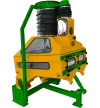
A METRA ADS aerodynamic grain cleaner uses controlled airflow to separate material with different weight and aerodynamic behavior. Dust, chaff and lighter fractions take different paths from heavier grain. Feed, airflow and collection dividers are adjusted for the crop and the intended separation. METRA ADS operating manual
Two kernels or beans can have similar outside dimensions and different mass. That difference can support airflow separation when their trajectories separate sufficiently. A photograph that shows similar size does not settle the question.
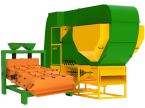
Start with airflow cleaning for a suitable separation task. Where the load also contains heavy straw, pods, unthreshed material or another size-based fraction, consider a selected screening stage. The METRA VDSC vibrating screen cleaner provides separate paths for oversized material retained on the first screen, fine material passing the second screen and grain retained on the second screen. The openings must suit both the crop and what you need removed. METRA VDSC operating manual
A visible color difference may justify optical sorting. Choose that stage for a defined visual target. Appearance alone does not establish toxin content, germination or food and feed suitability.
Compare the output with the buyer's measurement
For the trial, record the input mass, retained mass, each collected reject or intermediate fraction, and the machine settings. Note uncollected material so missing mass is visible in the record. A cleaner's total reject percentage is a process result, not an official BCFM or foreign-material grade.
Have the untreated and retained samples assessed by the same relevant method. Then check whether the factor the buyer penalizes improved, how much saleable grain remains, and how much acceptable grain went into the other fractions. Use the result to refine the setting or choose the next stage.
If the target is met, compare the buyer's expected settlement for the retained lot with the original sale alternative and processing costs. The grain cleaning break-even calculation shows how retained quantity changes that comparison. If the target is not met, the trial still tells you which issue remains. Avoid scaling an unresolved sample result to the whole harvest.
Set up the next load's decision
Once a separation works, keep the crop, incoming condition, settings and output record together. Use that as a reference when a comparable load arrives, and reassess when the material changes.
Grain intended for storage also needs its own moisture, temperature and monitoring plan. See grain cleaning before storage for that part of the handling process.
Send METRA your cleaning question with the crop, sample assessment, unwanted material, lot volume and available processing hours. Ask for a demonstration that records the retained grain and each separated fraction.