


Production and sale of grain cleaning equipment worldwide
Farm Roundup | September 15-30, 2025
30 September 2025
Similar Equipment
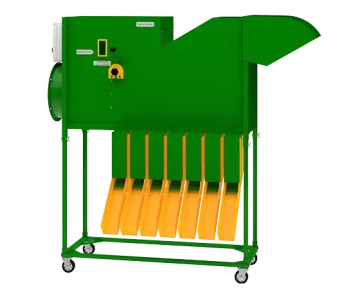
ADS-200e
Learn more
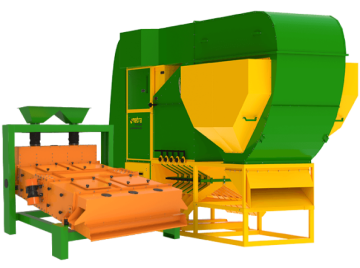
Set Pro - VDSC+ADS
Learn more
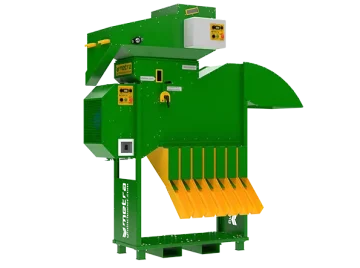
Set - SGC+ADS
Learn more

SGC-400
Learn more
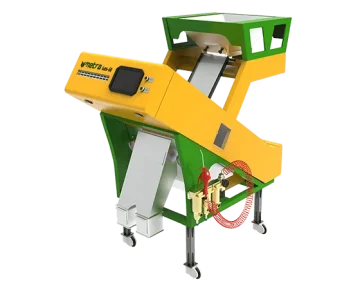
6AS-68
Learn more
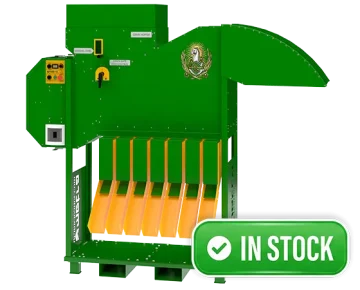
ADS-200
Learn more

STM-120
Learn more

ADS-200-CDC
Learn more
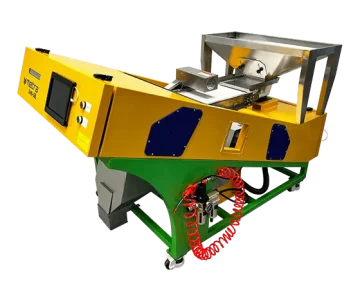
6AS-68L Belt
Learn more
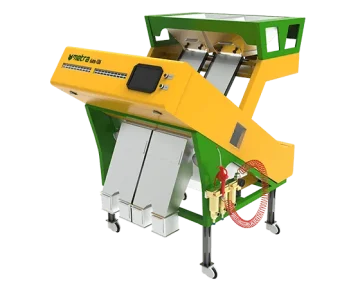
6AS-136
Learn more

SGC-400-H
Learn more

GPC-400
Learn more
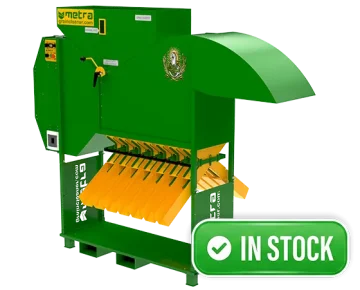
ADS-400
Learn more

VDSC-400
Learn more

ADS-600
Learn more

GPC-2000
Learn more

ADS-400-CDC
Learn more

ADS-800-CDC
Learn more

STM-200
Learn more

Set - GPC+ADS
Learn more

ADS-400GM-CDC
Learn more

VDSC-800
Learn more

6AS-272
Learn more

Hi! Here is the ag news not to be missed from the last two weeks. Short, sharp, and straight. Ignore endless scrolling through articles and keep control with timely decision-making by reading the digest.
China Signals That Purchases of U.S. Soybeans Hinge on Tariff Removal
China has not booked any cargoes of U.S. soybeans from the fall harvest and is instead buying from South America—putting American farmers at risk of losing billions in sales. Beijing is tying potential purchases to the removal of “unjustified” tariffs, while U.S. and Chinese negotiators prepare for another round of talks.
Why read this: The lack of Chinese buying this fall could pressure U.S. soybean prices and basis—impacting decisions on field sales, storage, and risk hedging.
Trump says US will distribute aid to farmers until tariffs kick in to their benefit
On September 25, 2025, Donald Trump said the U.S. will use tariff revenue to support farmers—aid will continue “until tariffs start working to their benefit.” The administration is considering a program modeled on the previous approach, when farmers received billions to offset trade war losses; lawmakers are pushing for aid to be delivered before the end of the year.
Why read this: The source and timing of possible aid directly affect your cash flow, crop sales schedule, and agreements with lenders.
Tariffs Could Fund Farm Economic Aid
The USDA is considering using tariff revenue for emergency farmer aid—but House Agriculture Committee Chair Glenn Thompson noted it may not be legally possible. As an alternative, they are discussing CCC authority, which already provided $23 billion in payments during 2018–2019. A summary released on September 18, 2025, also highlighted a survey: nearly half of corn growers believe the country is “on the brink of crisis,” another third see it as possible, and 76% are “very” or “somewhat” concerned about the state of the farm economy.
Why read this: The decision on funding—tariff revenue or CCC—will determine if direct payments arrive this fall and how farmers should plan cash flow, loans, and marketing strategies.
Agriculture Secretary Announces Major Crops Purchase, Antitrust Efforts at Kansas City Conference
The U.S. Department of Agriculture will purchase 417,000 metric tons for international programs—equal to more than 16 million bushels of corn and sorghum. Stronger antitrust oversight was also announced, along with sharp cost increases for farmers: seed +18%, fuel +30%, labor +47%, fertilizer +37%.
Why read this: The grain purchase could help support prices, while rising costs and new rules directly affect farmers’ profits and planning.
New food labels in Texas and Louisiana—billions in costs and changes for farmers
https://corn.org/wp-content/uploads/2025/09/FinalReport_StateLabeling_TX_LA_Sept_2025.pdf
A new report commissioned by the Corn Growers Association shows that changes in state food labeling laws could cost consumers billions of dollars, hitting budget-conscious households the hardest. According to the analysis, out-of-pocket costs could rise by $2,200 per household in Texas and $900 per household in Louisiana.
Why read this: New labels and warnings could make foods with corn or soybean oil more expensive and less popular—directly affecting how much farmers earn from their crops.
USDA Grain Stocks ‘Surprise’ With Larger Corn Inventories Than Expected
https://www.agriculture.com/september-2025-grain-stocks-11821352
As of September 1, 2025, old-crop stocks were: corn—1.532 billion bushels (down 13% from 2024, but above the expected 1.336 billion), soybeans—316 million bushels (down 8%, below the expected 322 million), and wheat—2.12 billion bushels (up 6%, above the expected 2.041 billion). USDA also raised 2024 crop estimates: corn +25 million bushels, soybeans +7.74 million; in the Small Grains Summary, 2025 wheat production is pegged at 1.985 billion bushels.
Why read this: Larger corn and wheat stocks could pressure prices and basis, while tighter soybean stocks may offer support—useful for making sales, storage, and hedging decisions.
September USDA crop report lowers U.S. yield estimates
https://www.agweek.com/opinion/september-usda-crop-report-lowers-u-s-yield-estimates
USDA lowered yield estimates slightly, with corn at 186.7 bushels per acre and soybeans at 53.5 bushels per acre, but still expects a record crop. Corn ending stocks for 2025–26 are projected at 2.11 billion bushels with an average price of $3.90/bushel; soybean stocks are pegged at 300 million bushels with an average price of $10/bushel.
Why read this: Bigger corn stocks could pressure prices, while soybeans holding at $10/bushel matter for planning sales and deciding whether to store grain or sell right away.
Corn Production Up, Soybeans and Cotton Down in 2025 — USDA NASS Report
According to the Crop Production Report released by USDA’s National Agricultural Statistics Service (NASS), corn production increased while soybean and cotton production declined compared to 2024. Corn output is up 13% from last year, forecast at 16.8 billion bushels; soybean production is expected to fall 2% to 4.30 billion bushels; cotton production is down 8% at 13.2 million 480-pound bales.
Why read this: This will directly affect grain and cotton prices—farmers may earn more from corn but less from soybeans and cotton.
Northern Plains farmers search for crop storage as prices, trade slump
On September 24, 2025, it was reported that low prices and strong yields are forcing Northern Plains farmers to look for extra grain storage. Elevators are already limiting soybean deliveries, especially with no buying from China.
Why read this: Full elevators and weak exports mean pressure on prices and higher storage costs—this could affect whether you sell straight from the field or invest in more storage.
Taiwanese Groups Plan Multibillion-Dollar Commitment to Buy Arkansas Corn, Soybeans
Two Taiwanese industry groups signed letters of intent for purchases in 2025–2029 worth at least $5.56 billion: the Taiwan Feed Industry will buy 8.5 million metric tons of corn and corn products, and the Taiwan Vegetable Oil Manufacturers Association will buy 6.5 million metric tons of soybeans. In 2024, Arkansas exports to Taiwan totaled about $63.2 million, underscoring the importance of this market for the state.
Why read this: The planned demand from Taiwan could support corn and soybean prices and basis while creating forward contract opportunities—especially for Arkansas producers.
Tyson Foods to Stop Using Corn Syrup in Products in U.S. by End of 2025
Tyson will stop using high-fructose corn syrup and other ingredients (sucralose, titanium dioxide, BHA/BHT) in brands like Jimmy Dean and Hillshire Farm by the end of 2025, while stressing that the current additives are FDA-approved. Following the “clean label” trend, the company noted it had already removed synthetic colors; after the announcement, Tyson’s shares dropped 1.5% in daytime trading.
Why read this: Recipe changes could reduce processor demand for corn sweeteners and other additives—impacting contracts, basis, and pricing across supply chains.
Carriers promise not to raise prices over new port fees; U.S. ag wary
Ocean carriers are reassuring customers that they won’t be hit with surcharges when the U.S. slaps new port fees on Chinese-made or operated ships next month; shipping experts and ag industry representatives warn the fees could still create fresh challenges for exporters.
Why read this: Even without official surcharges, the fees could affect grain logistics and shipping times—important for planning contracts and export deliveries.
Dry Soybeans Mean Hidden Yield Loss at Harvest
https://www.agriculture.com/dry-soybeans-mean-hidden-yield-loss-at-harvest-11816606
Soybeans drying down to 9–10% moisture lose value compared to the 13% most buyers target—those 3 points can mean about 3 bushels per acre gone just from “water weight.” At 9–10%, the risk of cracking and seed loss also increases, and if the fan speed isn’t set right the combine can blow grain out—4–5 beans per square foot on the ground equal about 1 lost bushel.
Why read this: Knowing when to harvest and how to set the combine (fan speed, adjustments) can prevent hidden yield losses in dry soybeans.
Lessons you can apply to 2026 corn crop plans
https://www.farmprogress.com/corn/lessons-you-can-apply-to-2026-corn-crop-plans
Agronomists summed up the 2025 season: apply fertilizer based on soil test results, use crop insurance as a decision-making tool, and plant earlier when a “window” opens—every day counts. Stronger disease pressure—southern rust and tar spot—means regular scouting is needed; sometimes fungicides pay off. They recommend using monitoring services, selecting hybrids for local conditions, and building farm resilience against both excess moisture and drought.
Why read this: It’s a simple action plan for 2026—where to save on fertilizer, when to hit the field, how to limit yield losses from disease, and how to manage risk with insurance.
Big Iron sets attendance record in 2025
https://www.agweek.com/agribusiness/big-iron-sets-attendance-record-in-2025
The Big Iron Farm & Construction Show in West Fargo drew a record 78,000 attendees, announced on September 17, 2025. The event covered 300 acres with more than 900 exhibitors at the Red River Valley Fairgrounds.
Why read this: Record attendance and 900+ exhibitors mean more equipment and service options—and better opportunities for deals and networking this season.
9 Must-Read Nonfiction Books for Farmers
https://www.agriculture.com/9-must-read-non-fiction-books-for-farmers-11820573
Successful Farming published a list of 9 nonfiction books for farmers, selected by Heather Lifsey. The list covers topics ranging from animal behavior and the dairy business to consumer communication and ag education history—with examples like Temple Grandin’s Animals in Translation, Derrick Josi’s An Industry Worth Fighting For, Michelle Payn’s Food Truths From Farm to Table, The Legacy of the New Farmers of America, and Ree Drummond’s cookbooks.
Why read this: It’s a quick short list of useful books to improve farm management, understand livestock behavior, and build consumer trust—without wasting time on random titles.
Thanks for reading! We’ll be back with more insights and updates in the next issue. Until then—stay sharp, stay ahead.