Production and sale of grain cleaning equipment worldwide
USDA Equipment Grants: Up to $500,000 for Agricultural Machinery in 2025
30 July 2025
Similar Equipment
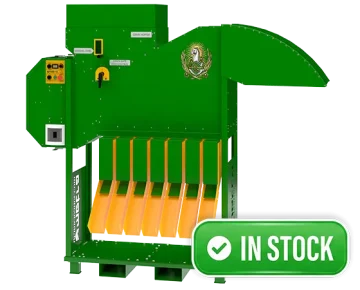
ADS-200
Learn more
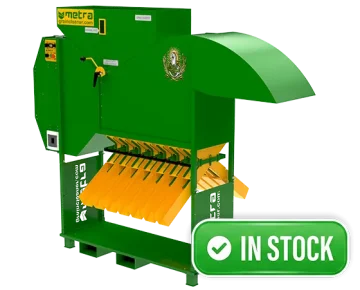
ADS-400
Learn more

ADS-600
Learn more
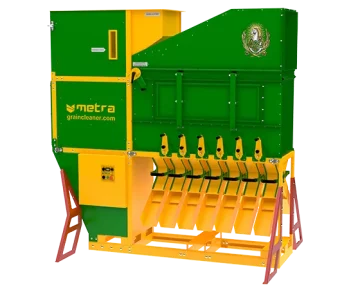
ADS-800
Learn more
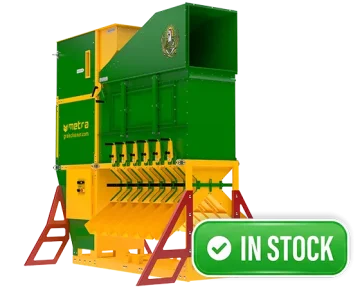
ADS-1200
Learn more

ADS-1600
Learn more

ADS-2000
Learn more

ADS-4000
Learn more
ADS-6000
Learn more
ADS-8000
Learn more

SGC-400-H
Learn more

SGC-400
Learn more
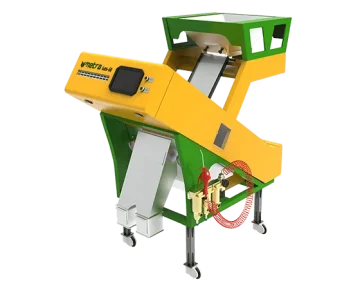
6AS-68
Learn more
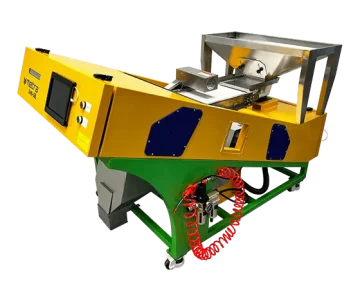
6AS-68L Belt
Learn more
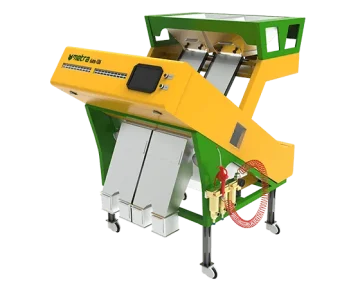
6AS-136
Learn more
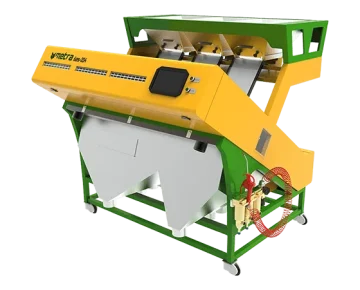
6AS-204
Learn more

6AS-272
Learn more

6AS-340
Learn more

6AS-476
Learn more

6AS-680
Learn more
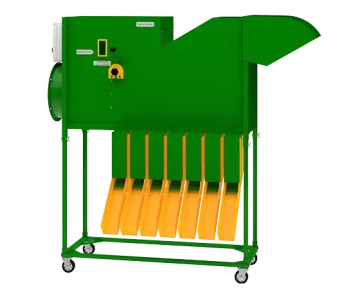
ADS-200e
Learn more
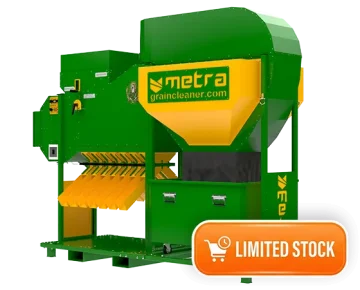
ADS-200-CDC
Learn more
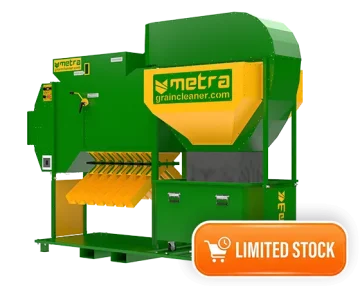
ADS-400-CDC
Learn more

ADS-400GM-CDC
Learn more
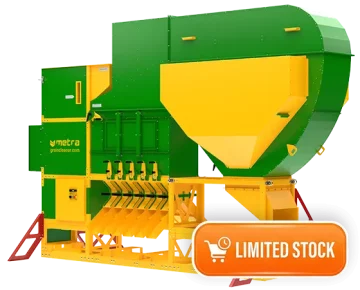
ADS-600-CDC
Learn more
Sometimes, important farm and food research at colleges, universities, and Cooperative Extension offices face the lack of powerful equipment that can’t be bought with their regular budgets. How to solve this issue?
Several USDA equipment grant programs offer up to $500,000 in funding to help cover the cost of essential machinery and advanced research tools. Such grants are definitely a smart opportunity for your organization, so explore the top five best USDA equipment programs that can help you secure up to half million dollars for your machinery.
1. USDA NIFA Equipment Grant Program (EGP)
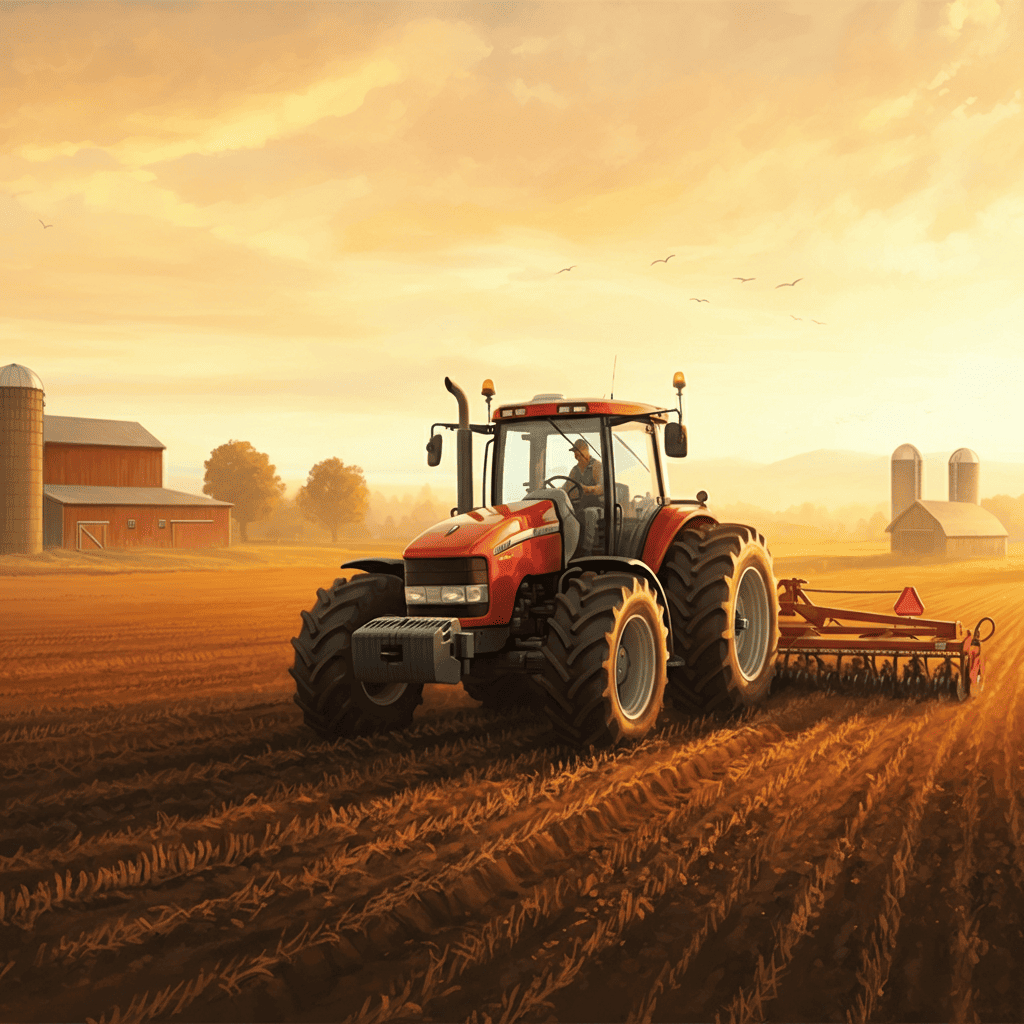
Through the Equipment Grant Program (EGP), eligible institutions can secure from $25,001 up to $500,000 for the acquisition, installation, and calibration of a single, special-purpose research instrument at eligible institutions and State Cooperative Extension systems.
But it isn’t for stocking an entire lab or doing several experiments at once, and it won’t pay for balances, refrigerators, or standard computers. EGP also doesn’t fund the research project themselves, nor the day-to-day running costs of a building. This program zeroes in on advanced shared-use equipment that upgrades your research capacity and requires it to be fully operational within the award period.
Food and agriculture sciences research your organization can be engaged in include:
- 1862 and 1890 land‑grant universities;
- state Extension systems;
- comparable nonprofit entities.
In your application, you’ll tell the story of why existing tools fall short, how multiple departments or county offices will share time on the instrument, and what steps you’ll take to keep it running long after the grant ends. There’s no cost‑share requirement, but you will need detailed budget and sustainability plans to show reviewers you understand shipping, installation, and ongoing maintenance costs.
EGP operates on a predictable annual cycle: watch for the Notice of Funding Opportunity in late Q1, then submit your full proposal about 60 days later. You’ll usually hear back about your EGP proposal in six to nine months, and once funded, you have a full four years to wrap up the work, just be sure that your new piece of equipment is installed and running before the end of year one.
2. Rural Energy for America Program (REAP)
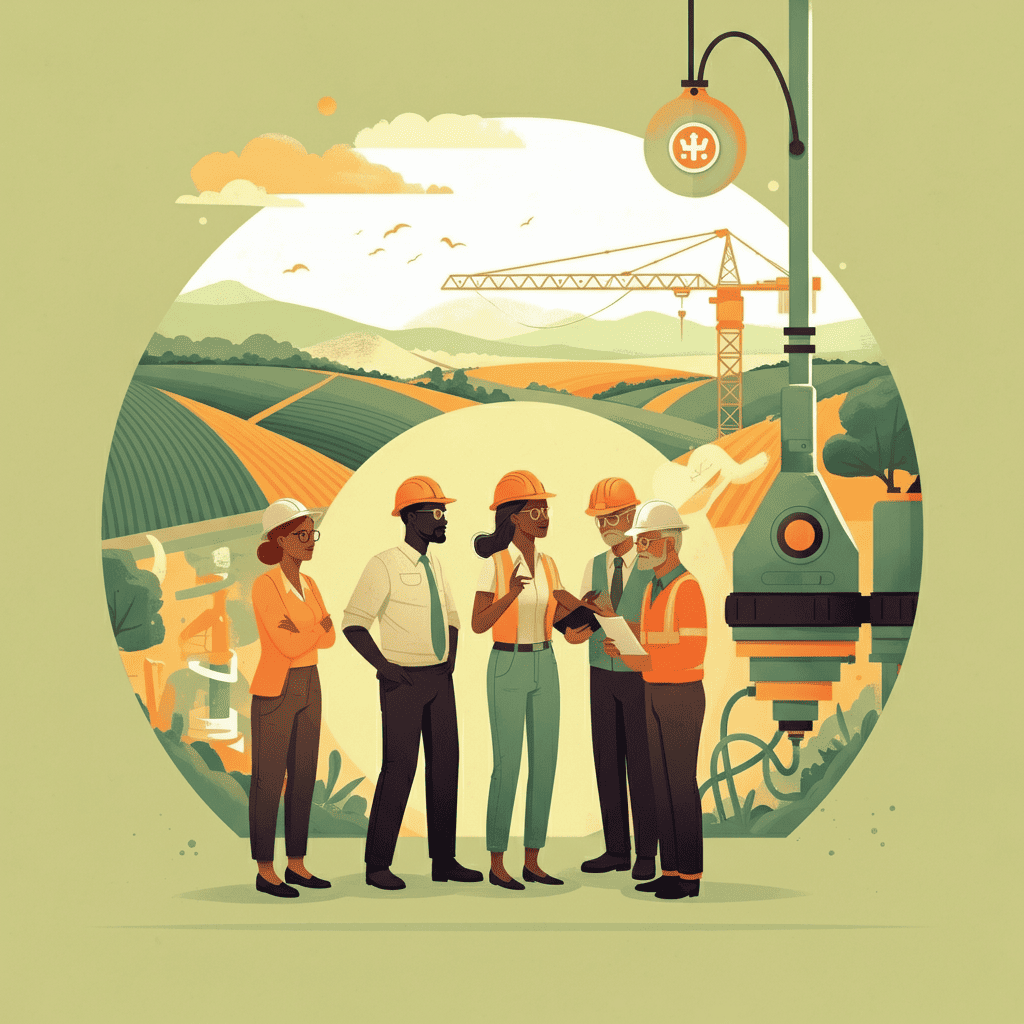
This grant program offers farmers and rural businesses funding for renewable energy systems and energy-efficient equipment upgrades, including related costs—wiring, labor, and permit fees. It’s popular enough among American farmers, they even write positive reviews at Reddit:
- “I wanted to share my experience with the REAP grant. I used the grant to put in solar panels on my cold room. It’s a great program if you take the extra steps and do a lot of the work yourself. The grant paid for 50% of my solar panels. I installed 40 panels (16.4 kw). I did buy them wholesale and only hired an electrician to install them. The total amount I paid was about $13,500 (after the grant rebate). If I had a solar company install them it would have been a $60,000-$80,000 project. It usually costs me $400 monthly to run my cold room and now I make 16.4 KWH so it’s just the basic meter fee. Just a thought for anyone looking.”
- “Yes. ground‑mount reap grant with project 95% complete. We have another reap grant for a commercial hot water heat pump … I am expecting not to be reimbursed. There is roughly $200 k of USDA grant reimbursement projects underway in the county that are all on hold. We are a small commercial sheep operation.”
Right now, REAP isn’t taking new grant applications (they’ve paused them through September 30, 2025) but you can still apply for USDA‑guaranteed loans any time—they will back up to 75 % of your project costs and carry competitive terms (loan guarantees run year‑round). When grants reopen, they’ll cover up to 50 % of eligible expenses and related costs.
To qualify, you’ll need at least half of your income to come from farming or to run a small business in a rural town of fewer than 50,000 people. When the next grant window opens, have detailed vendor quotes, a recent energy audit and a clear projection of your expected savings ready to go.
3. Farm Service Agency (FSA) Operating and Ownership Loans
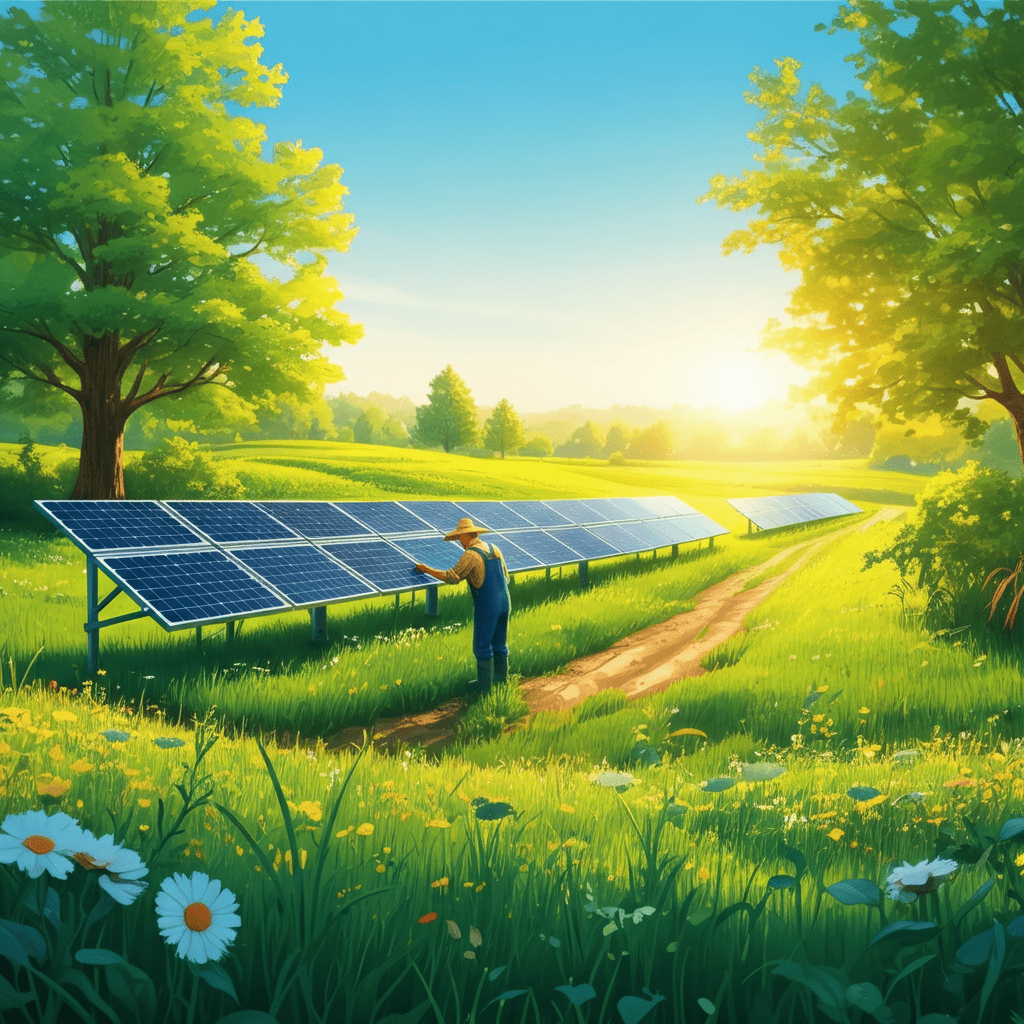
FSA’s Operating Loans can put up to $400,000 in your pocket to cover everyday farm needs—seed, feed, fertilizer, small equipment repairs, living expenses, and other annual inputs. You won’t need a down payment, and you can spread out repayments for up to seven years on larger items (short‑term costs are due within 12 months). Just stop by your local FSA office with solid financial records and a clear farm plan, and you could lock in a low, fixed interest rate.
On the other side, Ownership Loans make up to $600,000 available for land acquisition, farm expansion, facility construction or improvements, soil‑and‑water conservation practices and closing costs. This system covers you through:
- regular direct loans, where FSA finances 100% of your project;
- joint financing, which pairs FSA’s share (up to 50 % of the purchase) with commercial or state lender backing;
- down payment loans—available only to beginning farmers and ranchers—requiring just a 5 % cash down payment (capped at $300,150) to jump‑start your operation.
Interest rates on both loan types are almost always below market, and you can borrow for as long as 40 years on Ownership Loans.
4. Value‑Added Producer Grants (VAPG)
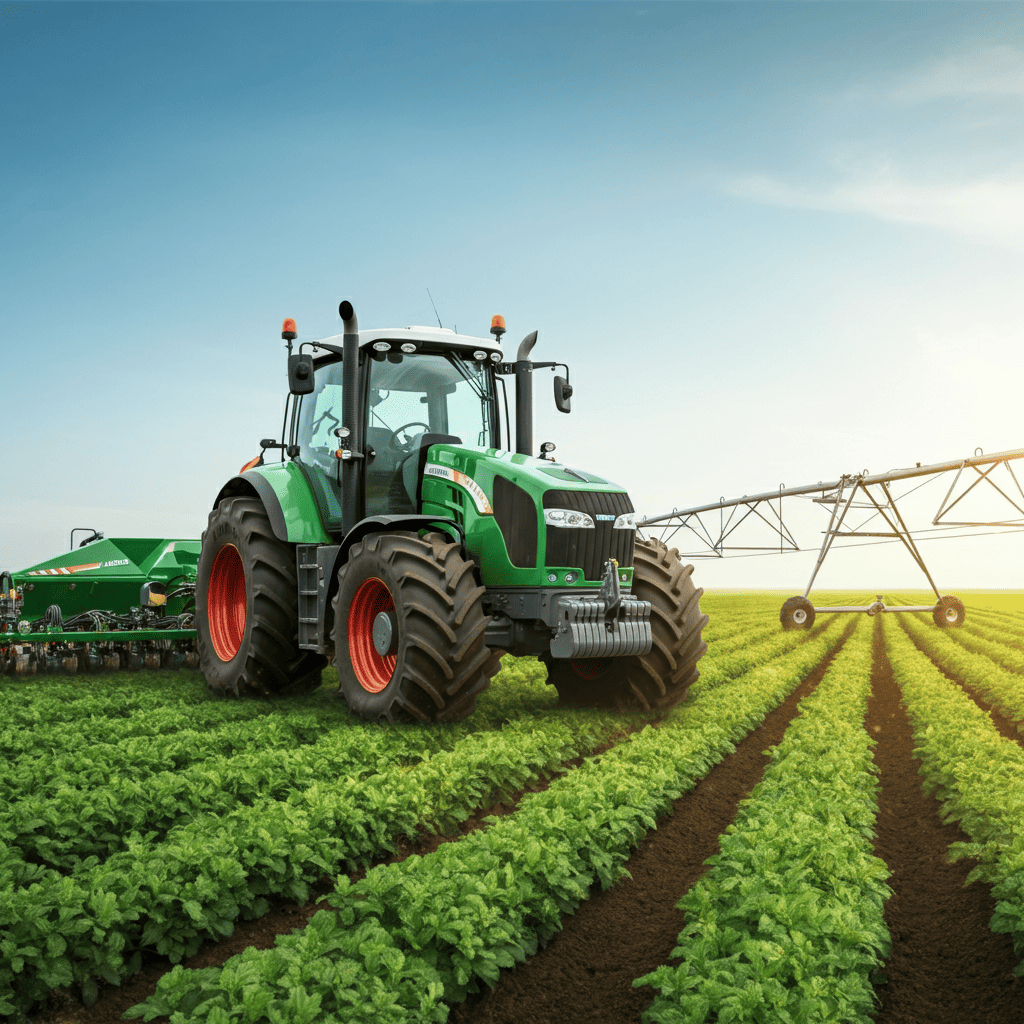
If a farmer or rancher wants to turn raw commodities into higher-value projects (for example, turn wheat into flour blends, milk into cheese, or grains into specialty flours), they can apply for the Value-Added Producer Grants and get:
- planning grants up to $75,000;
- working-capital grants up to $250,000.
The idea is to help you develop business and marketing plans or cover costs tied to processing, advertising, inventory, and salaries.
This program requires a 100% match: if you request $50,000, you’ll need to show $50,000 of your own funds or in-king contributions. Funds can be used for feasibility studies, market research, and salaries for workers involved in your value-added venture.
VAPG gives priority to:
- beginning, veteran, and socially disadvantaged producers;
- small-to-medium-sized family farms and cooperatives.
Right now, the grant window is closed—applications for fiscal year 2025 were due April 17. But it’s worth preparing early:
- Complete a self‑assessment to confirm eligibility.
- Register in SAM and secure Level 2 eAuthentication access.
- Draft a feasibility study/business plan.
Keep an eye on USDA’s VAPG portal and your state’s Rural Development office for the next application announcement.
5. Rural Business Development Grant Program (RBDG)
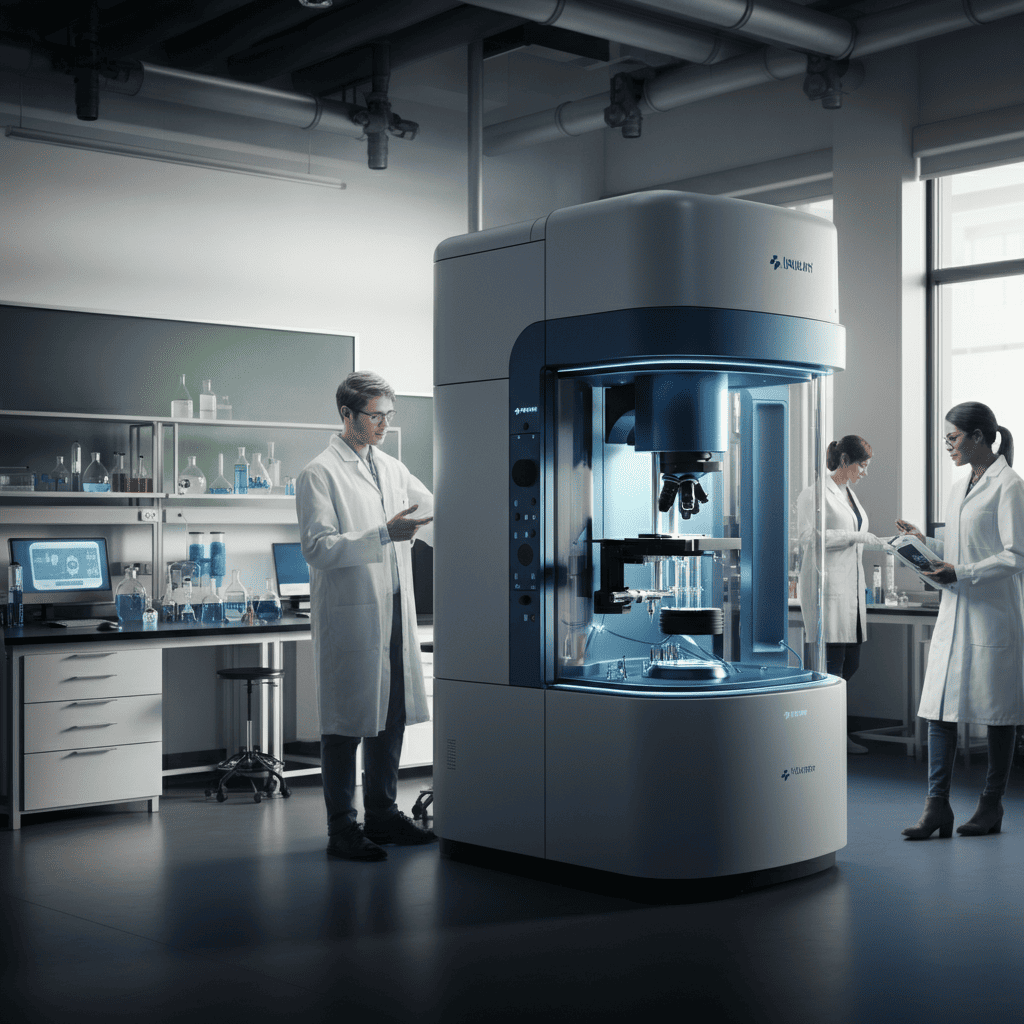
RBDG can provide public bodies, nonprofit, and federally recognized tribes serving areas outside metropolitan hubs with fundings with no maximum cap (though smaller requests typically move faster) and no cost‑share requirement for projects that create jobs, spur business expansion, or finance feasibility studies and technical assistance.
RBDG offers two grant categories:
- opportunity grants for feasibility studies, business planning, leadership training, and community economic development (up no more than 10% of the program’s annual funding);
- enterprise grants fund on‑the‑ground improvements—land acquisition, building construction or renovation, machinery and equipment purchases, pollution control, and the capitalization of revolving loan funds that can, in turn, lend to startups and working‑capital needs.
To apply, you’ll start by talking with your state’s USDA Rural Development Business Programs Specialist, who’ll walk you through local deadlines and any state‑specific forms. Before you fill out an application, you must register in SAM (System for Award Management) and gather information on projected job creation, financial leverage from other sources and how your project fits community priorities.
Keep in mind that the application window closed on February 28, 2025, at 4:30 p.m. local time in each USDA RD state office but you can start building relationships with your state Rural Development Business Programs Specialist, gather your data on job creation and local economic need, and draft a strong concept paper.
Which Grant Program Should You Choose
This task comes down to the kind of project you’re planning and who you are. We’ve created this table to help you solve it.
| Program | Best for | Funding available | Key details |
| EGP (NIFA Equipment Grant) | Universities, Extension services needing one big‑ticket research instrument | $25,001 – $500,000 grant | Covers purchase, shipping, installation and calibration of a single special‑purpose instrument; no match required; must be operational in 12 months |
| REAP (Rural Energy for America Program) | Farmers or rural businesses upgrading to renewable energy or efficiency systems | Grants up to $500K (when open) + guaranteed loans up to 75% of cost | Grants paused until Oct 1, 2025; loans available year‑round; covers solar, wind, HVAC, pumps and related installation costs |
| FSA Operating Loans | Producers needing working capital for seed, feed, repairs or small equipment | Up to $400,000 loan | Low‑interest; terms up to 7 years for equipment; no down payment; streamlined for under‑$50K microloans |
| FSA Ownership Loans | Farms ready to buy land, buildings or large‑scale machinery | Up to $600,000 loan | 100% direct financing or joint financing with banks; down payment loans for beginning farmers (5% down) |
| VAPG (Value‑Added Producer Grant) | Farmers turning raw commodities into higher‑value products | Planning grants up to $75K; working‑capital up to $250K | 100% match required; priority for beginning, veteran, and disadvantaged producers; next round TBD |
| RBDG (Rural Business Development Grant) | Public bodies, nonprofits or tribes launching community projects | No fixed cap; typically smaller awards move faster | Zero cost‑share; funds feasibility studies, equipment purchases or incubator setups; state‑specific deadlines |
How to decide? Just match your needs to the program’s strengths, then reach out to the appropriate USDA office to get started.
Conclusion
As you’ve seen, USDA has created different programs to help farmers and rural businesses build resilience and keep American agriculture competitive, and your next successful project is much closer than you think. Before long, you’ll have the equipment and resources you need (and a little help from Uncle Sam) to take your operation from where it is today to where you want it to be tomorrow.
Not sure which grain cleaner is right for you?
Contact us now for expert advice and find out how you can improve your grain quality and market value with Metra.
FAQ
Who can apply for the USDA Equipment Grant Program (EGP)?
You’re eligible if you’re part of a college, university, or Cooperative Extension office doing food and agricultural research and needing one high-end instrument (we mean 1862 and 1890 land‑grant universities, state Extension systems and similar nonprofit research groups).
What’s the difference between a grant and a guaranteed loan under REAP?
Grants cover up to 50 % of eligible project costs (when open), so you don’t have to pay that portion back, but they’re only available during specific funding windows. Guaranteed loans back up to 75 % of your project cost year‑round; you’ll still borrow and repay principal and interest, but at very competitive rates, and you can tap them any time.
How soon do I need to have my new equipment up and running under EGP?
You have a 48‑month project period once you get the award, but that prized instrument must be fully operational before your first year is up.
Can I mix and match programs—say, use an FSA loan and a USDA grant together?
Yes, many farmers combine FSA Operating or Ownership Loans with REAP or VAPG grants to cover gaps. For example, you can use a low‑interest loan to buy a tractor and then tap a VAPG working‑capital grant to fund processing equipment in a value‑added venture. Check each program’s rules on matching funds and eligible expenses before you apply.