Production and sale of grain cleaning equipment worldwide
Where Does the Dust Go? What a Cyclone Adds to Metra ADS
10 October 2026
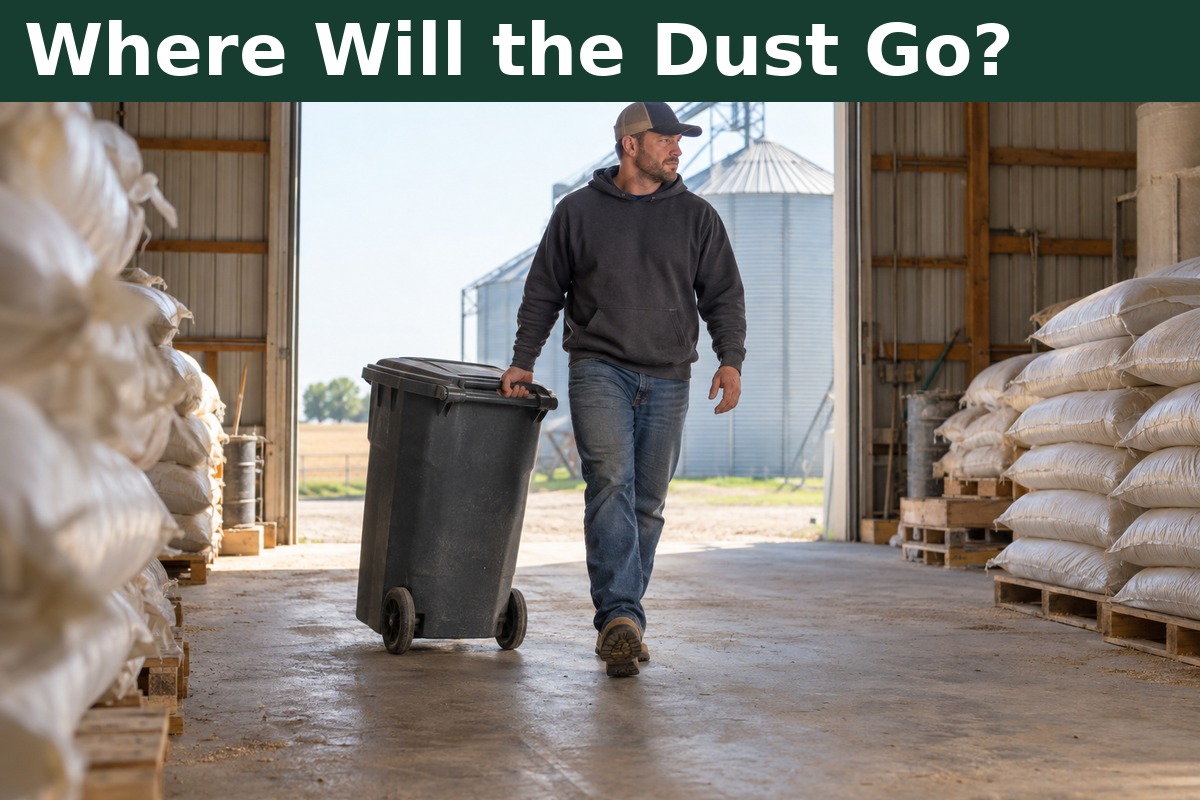
Where does the dust go?
Dusty grain brings a practical question: where will the dust and chaff go? A cyclone-equipped Metra ADS cleans and grades grain while cleaning circulating air and directing airborne waste into dedicated trays. This guide explains that added function and how it fits your grain-handling workspace.
Grain separation and air cleaning work together
The ADS separates material in airflow inside its separation chamber. Differences in weight and how readily the air carries each piece help separate the incoming material into fractions. Adjustable dividers, called baffles, direct those fractions into grain output trays. That gives the operator a way to clean and grade grain within the same machine.
The cyclone dust collector adds a separate, complementary job: cleaning the air used by that system and collecting the waste it carries. Metra’s [ADS operating manual](https://metragraincleaner.com/wp-content/uploads/2020/11/web-instr-metra-ads.pdf) describes dust, chaff, and other light impurities being routed through the CDC into special waste trays.
Think of two material paths. Grain fractions leave through the grain output trays. Airborne dust and light waste travel through the cyclone system to its waste trays. Keeping those paths distinct helps you understand both what the ADS separates and what the cyclone contributes. The cyclone is not the destination for every separated grain fraction.
What the closed air circuit adds
CDC-equipped ADS models combine grain cleaning and grading with an integrated air-cleaning system. The manual describes air circulating in a closed circuit and being cleaned inside the machine. It also states that an additional cyclone or other aspiration equipment is not required for that system. Aspiration simply means using airflow to carry away light material.
For a farmer handling dusty grain, the practical benefit is a designated collection route for dust and chaff alongside the grain-separation process. You can consider the retained-grain destination and the airborne-waste destination together when choosing equipment.
The closed-circuit description applies to the ADS system itself. Grain transfers and conveyors elsewhere in your operation remain separate parts of the workspace discussion. This distinction helps you place the cyclone-equipped cleaner where its documented collection function serves your workflow.
Make the waste route part of the layout
Dedicated cyclone waste trays give removed dust and chaff a defined discharge point. Planning what happens next makes that function useful in daily operation: the collected material needs a destination that works alongside incoming grain and the grain leaving the cleaner.
Consider the movement through your workspace, not just the machine’s position. Where would the cyclone waste be collected? Could it be handled without interrupting grain delivery or blocking access to the grain outputs? Those are useful questions for a layout discussion with Metra.
One operating requirement directly affects that planning. The ADS manual warns that restricting or partially covering the CDC output tray can cause the cleaner to malfunction. The proposed collection arrangement therefore needs to leave that discharge unobstructed.
Keeping grain outputs and cyclone waste separate also makes the workflow easier to follow during a demonstration. You can see where the grain fractions go and where the air-cleaning system delivers its waste, rather than treating all removed material as one stream.
Allow working room around the cyclone
The cyclone’s collection function comes with space and cleaning-access needs. For example, Metra’s manual lists the ADS-400 CDC at 127.7 inches long, 47.7 inches wide, and 85 inches high. Those manufacturer-listed overall dimensions are a starting point for that model, not its complete working footprint.
The manual recommends at least 4 feet of free space on all sides for maintenance access. Its complete-cleaning instructions include removing dust and deposits from the cyclone. Space around the machine therefore serves a practical purpose: it lets the operator reach the equipment as well as handle collected waste.
Bring your available floor space and overhead room into one selection discussion with Metra. Have the company confirm the selected model’s current dimensions, access clearances, feed and discharge connections, waste-collection arrangement, and electrical requirements. That turns a catalog-sized machine into a layout suited to your operation. Follow the selected model’s operating and maintenance instructions for the actual installation and cleaning work.
See how the system fits your grain
A cyclone-equipped ADS is worth exploring when you want grain cleaning and grading with an integrated route for airborne cleaning waste. A sample-testing discussion can focus on separation, while an arranged warehouse demonstration offers a chance to understand how the grain outlets, cyclone waste trays, and cleaning access work together.
Useful questions to discuss include: What remains in the retained grain? What reaches the grain output trays and the cyclone waste trays? Is sound grain leaving with unwanted material, and what operating rate is being evaluated? The amount of rejected material and the amount of sound grain lost are different questions; the composition of the removed material matters.
Explore [Metra’s cyclone-equipped ADS models](https://metragraincleaner.com/product_category/aerodynamic-grain-cleaners-with-cyclone-dust-collector/) and tell the company about your grain, cleaning volume, available space, and waste-handling needs. [Contact Metra](https://metragraincleaner.com/contact-us/) or call [+1 701 515-0488](tel:+17015150488) to discuss testing a representative sample or arranging a warehouse demonstration. Arrange any sample shipment or visit in advance.