Production and sale of grain cleaning equipment worldwide
GPC Pre-Cleaning or a Larger ADS? Buy the Function Your Grain Needs
11 October 2026
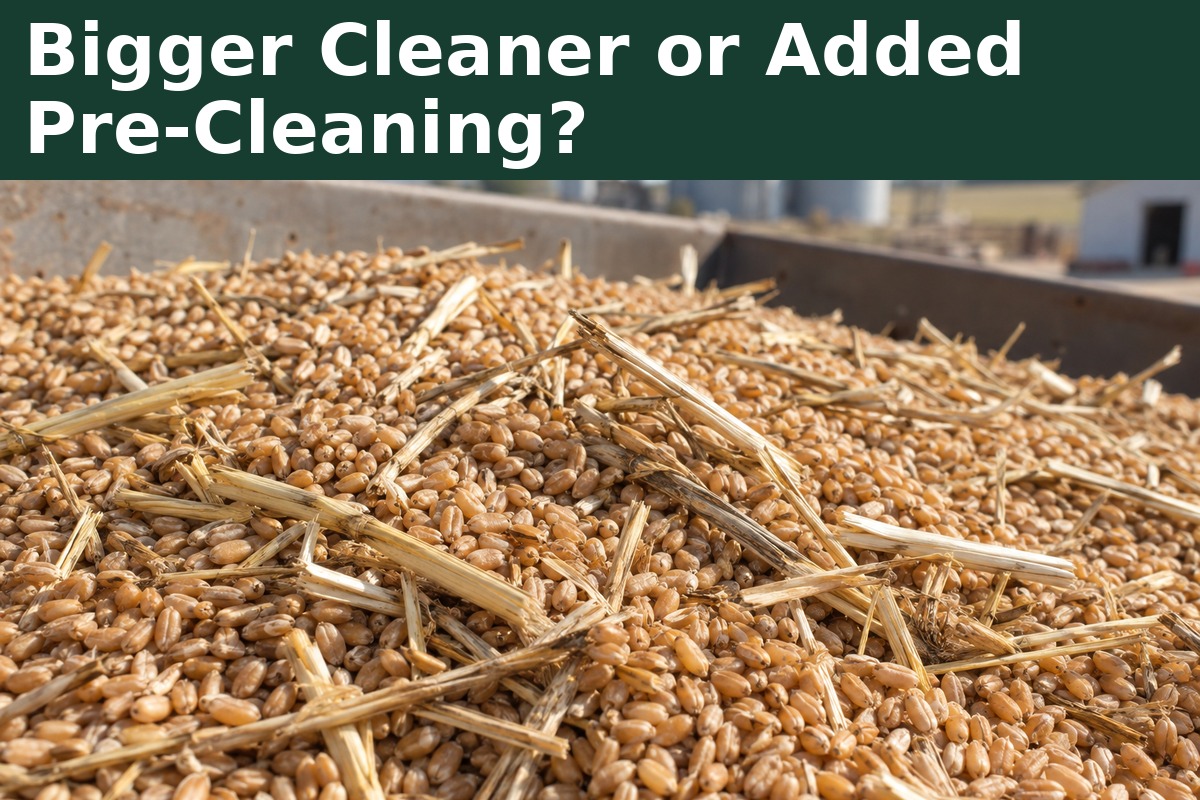
Match the purchase to your incoming grain
Purchased grain with recurring oversized debris calls for the right cleaning function as well as enough capacity. Metra GPC separates large impurities through a rotating mesh before further cleaning. Here’s how a demonstration can help you decide whether to add pre-cleaning, increase ADS capacity, or discuss both.
What the GPC adds before airflow cleaning
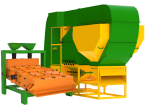
The Metra GPC adds a physical size-separation stage. Incoming material lands on a rotating grading mesh. Grain falls through the openings, while oversized material is separated before the grain reaches the next receiving device or cleaner. The [GPC operating manual](https://metragraincleaner.com/wp-content/uploads/2020/11/instr-metra-gpc2.pdf) identifies large impurities, including stones and straw, as its preliminary-cleaning target.
That gives a grain buyer a different purchasing option from simply choosing a larger airflow cleaner. Metra’s GPC+ADS kit combines mesh pre-cleaning with aerodynamic cleaning: the first stage removes oversized material, and the second stage cleans in airflow.
The useful distinction is **function versus capacity**. Adding GPC introduces mesh-based separation ahead of the ADS. Increasing ADS capacity addresses how much material the airflow-cleaning stage can handle. Those are different needs, even when both arise at the receiving point.
Start with the material you repeatedly buy. Is oversized debris a recurring part of those lots, or is the main problem moving enough grain through satisfactory separation?
When recurring oversized debris points toward GPC
GPC pre-cleaning directly addresses a recurring oversized fraction. If long pieces of straw or other large material regularly arrive with your purchased grain, a mesh stage deserves consideration because it separates that material before airflow cleaning.
The important word is recurring. A sample selected only because it contains an unusually obvious piece of debris tells you less about the equipment your regular buying program needs. Discuss grain that reflects your usual suppliers and the incoming conditions that create the problem.
Mesh selection is part of that discussion. The GPC manual explains that the mesh openings need to match the material being processed. The goal is to let the grain pass through while separating the larger unwanted fraction—not simply to choose the smallest available opening.
Describe the crop, the large material you want removed, and how often it appears. That gives Metra a concrete starting point for selecting a mesh and discussing a suitable GPC+ADS pairing.
Make the demonstration answer one purchase question
The GPC+ADS arrangement lets you evaluate an added cleaning stage, rather than judging equipment size alone. Ask whether an arranged demonstration can compare portions of the same incoming lot through ADS alone and through GPC+ADS at your intended feed rate.
Keeping the lot comparable helps focus the discussion on what mesh pre-cleaning contributes. Ask the demonstrator to identify the mesh and explain the operating conditions used for each run. If conditions change, discuss why and how that affects the comparison.
Useful questions include:
– What large material does the GPC separate before the ADS?
– What material still reaches the ADS after pre-cleaning?
– How does the grain retained after ADS cleaning compare between the proposed arrangements?
– What receiving rate is demonstrated while producing the separation you need?
These are questions to arrange with Metra, not a prescribed test format. The point is to connect the equipment choice to your incoming grain and receiving needs, rather than compare two machines processing unrelated samples.
Read the separated material, not just the pile size
The GPC’s separate large-impurity stream makes its contribution visible. Ask what it removes and whether usable grain travels with that material. The manual specifically cautions that mesh-speed adjustment can carry wanted grain into the waste stream.
A larger reject pile is therefore not, by itself, evidence of a better purchase. Reject weight includes unwanted material and any grain carried with it; sound-grain loss is only the usable grain rejected. Keep those distinct when discussing the result.
Then connect that observation to the ADS outputs and the demonstrated rate. If the GPC removes a recurring oversized fraction and the combined arrangement meets your receiving needs, the demonstration supports considering the added mesh function. If ADS separation is satisfactory but the demonstrated rate falls short, ADS sizing is the more direct discussion. If both issues remain, discuss both stages together.
A satisfactory ADS result at your required rate also matters: it helps you avoid adding a stage without identifying a useful job for it.
Bring Metra the buying problem you want to solve
Before choosing equipment, put three things together: the grain you expect to buy, the oversized material you want removed, and the receiving rate your operation needs. That turns “Should I buy a bigger cleaner?” into a more useful question about the function and capacity required.
Explore the [Metra GPC+ADS kit](https://metragraincleaner.com/product/set-gpcads/), then [contact Metra](https://metragraincleaner.com/contact-us/) or call [+1 701 515-0488](tel:+17015150488) to discuss testing a representative grain sample or arrange a warehouse demonstration before buying. Ask Metra to confirm the appropriate pairing, mesh, comparison conditions, and sample or visit arrangements.